Administration Announces Revolutionary Infrastructure Plan Featuring Roads That Already Exist
Bold Vision for America's Future (Past)
President Biden's administration unveiled its most ambitious infrastructure proposal to date Tuesday morning, featuring a comprehensive package of improvements that will bring American transportation into the late 20th century through strategic re-ribbon-cutting of existing projects.
The $2.3 trillion "Building Back Better Than Before (But Not Too Much Better)" initiative promises to revolutionize American infrastructure by giving it a fresh coat of paint and some very enthusiastic press releases about things that were built when most voters were in elementary school.
"Today marks a historic moment in American infrastructure development," declared Transportation Secretary Pete Buttigieg during a ceremony held on the Francis Scott Key Bridge, which the plan proudly lists as a "forthcoming achievement" despite being completed in 1977. "We're not just building bridges—we're rebuilding bridges that we already built, but with more fanfare this time."
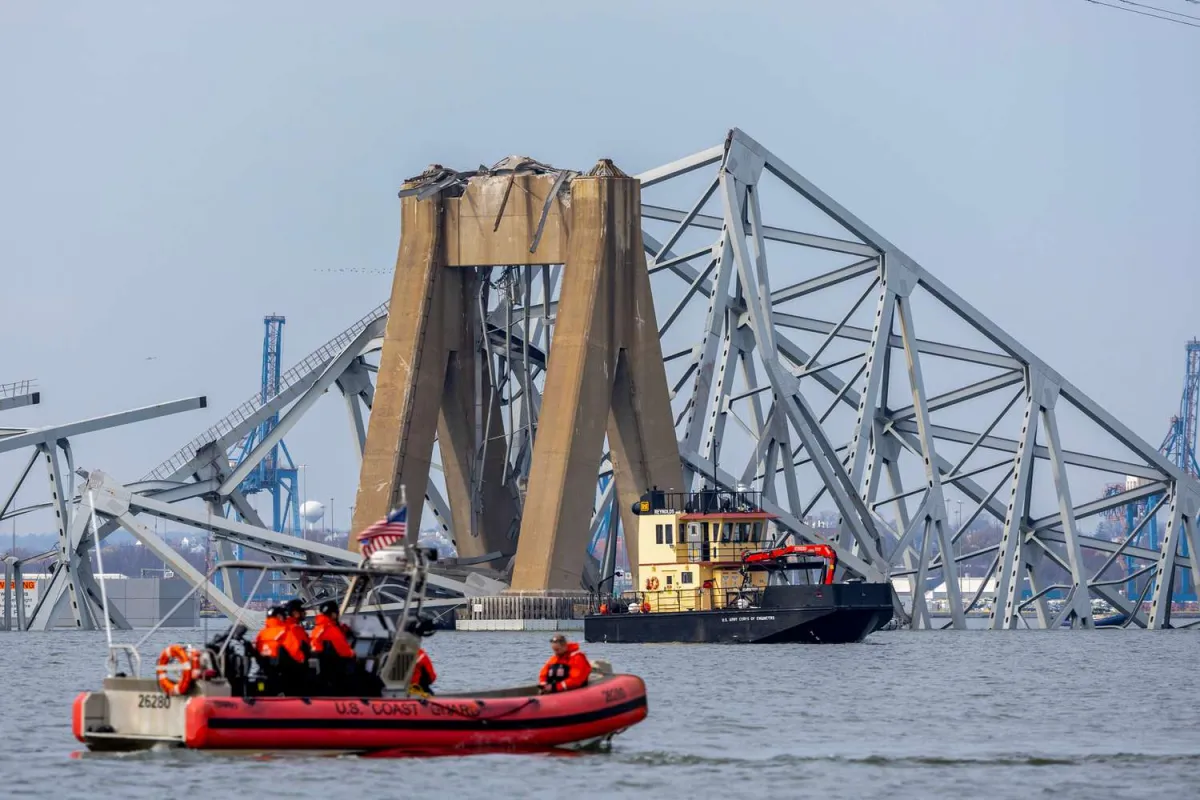 Photo: Francis Scott Key Bridge, via people.com
Innovative Project Portfolio
The centerpiece of the initiative is the restoration of the Interstate Highway System to its current condition, a $847 billion undertaking that officials describe as "ambitiously realistic." The plan includes detailed proposals for maintaining roads that are already maintained and expanding highways that have been expanded multiple times since the Carter administration.
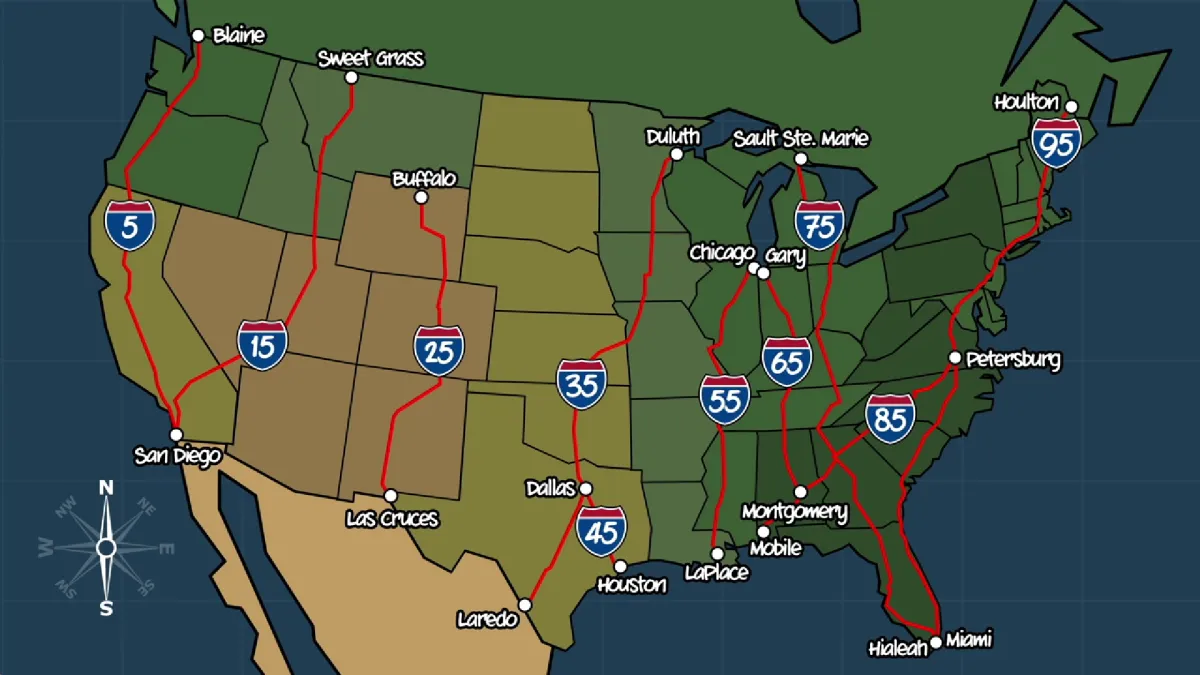 Photo: Interstate Highway System, via www.carscoops.com
Particularly noteworthy is the proposal for a high-speed rail corridor connecting Boston to Washington D.C., featuring state-of-the-art trains traveling at speeds approaching those achieved by Amtrak's current Acela service, but with 67% more PowerPoint presentations about future possibilities.
"This isn't just about transportation," explained Infrastructure Coordinator Jennifer Walsh-Patterson during a press briefing held in front of a backdrop featuring artist renderings of the Golden Gate Bridge. "This is about reimagining what American infrastructure could look like if we built it exactly the same way we built it before, but talked about it more."
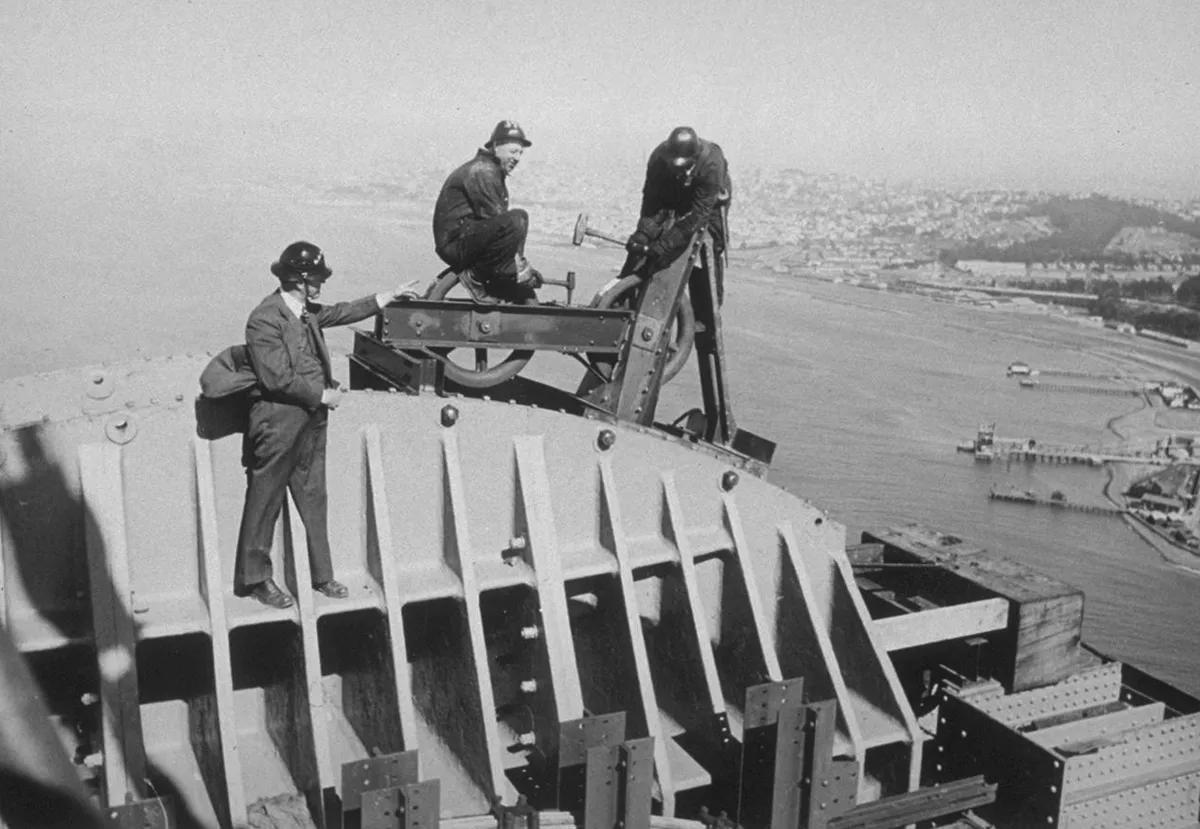 Photo: Golden Gate Bridge, via www.lib.berkeley.edu
Groundbreaking New Features
The plan's most innovative elements include two completely new roundabouts in strategic locations to be determined by a committee that will be formed after the roundabouts are built. Early proposals suggest placing them in areas where traffic currently flows smoothly, ensuring maximum impact on daily commutes.
Additionally, the initiative promises to upgrade America's broadband infrastructure by acknowledging that the internet exists and expressing strong support for its continued operation. Technical specifications remain classified pending the completion of a $45 million study to determine what broadband means.
"We're thinking big," noted Deputy Infrastructure Advisor Michael Thompson-Rodriguez while gesturing toward a map that appeared to be from a 1987 National Geographic. "These roundabouts will feature cutting-edge circular design technology and revolutionary 360-degree traffic flow patterns that will transform how Americans experience driving in small circles."
Timeline and Implementation
The administration projects that 73% of the initiative's goals will be completed by 2019, with the remaining projects scheduled for completion sometime after they're started. Officials expressed confidence that this aggressive timeline reflects their commitment to getting things done eventually.
Phase One involves forming committees to discuss forming committees, while Phase Two will focus on identifying which existing infrastructure should be credited to the new plan. Phase Three remains classified but reportedly involves very large scissors for ribbon-cutting ceremonies.
"The beauty of this approach is that we're guaranteeing results," explained Budget Director Sarah Chen-Williams during a briefing held in what appeared to be someone's garage. "By focusing on infrastructure that already works, we're ensuring that our infrastructure will continue working, which is more than most administrations can promise."
Expert Analysis
Infrastructure policy experts praised the plan's realistic approach to impossible expectations.
"This represents a fundamental shift in how we think about building things we've already built," noted Dr. Robert Infrastructure of the American Institute for Saying Things About Infrastructure. "By promising to improve existing improvements, the administration is setting a new standard for achievable over-achievement."
The plan has already garnered bipartisan support from lawmakers eager to take credit for projects completed before they were born. Several senators have announced plans to hold groundbreaking ceremonies for bridges their predecessors' predecessors originally groundbroke decades ago.
Congress is expected to pass the legislation sometime after determining whether any of them actually read it, though early reports suggest the bill's 2,847 pages consist primarily of photographs of infrastructure that already exists with captions reading "Coming Soon!"