Congressional Agriculture Panel Achieves Historic Breakthrough on Sandwich Jurisprudence, Forgets to Do Agriculture

WASHINGTON — The Senate Subcommittee on Agricultural Commodities, Rural Development, and Food Systems Oversight convened in the spring of 2021 with a clear and urgent mandate: review, revise, and advance the $1.5 trillion federal Farm Bill before its scheduled reauthorization deadline. Three years, eleven hearings, and one 94-page preliminary report later, the subcommittee has successfully defined, provisionally, what a sandwich is. The Farm Bill expired in September.
"We consider this a significant step forward," said Subcommittee Chair Senator Gerald Prout (R-OH), at a press conference held in a room that still smelled faintly of the deli platter brought in for the third sandwich-definition hearing. "You cannot regulate what you cannot define. That is the bedrock of American governance."
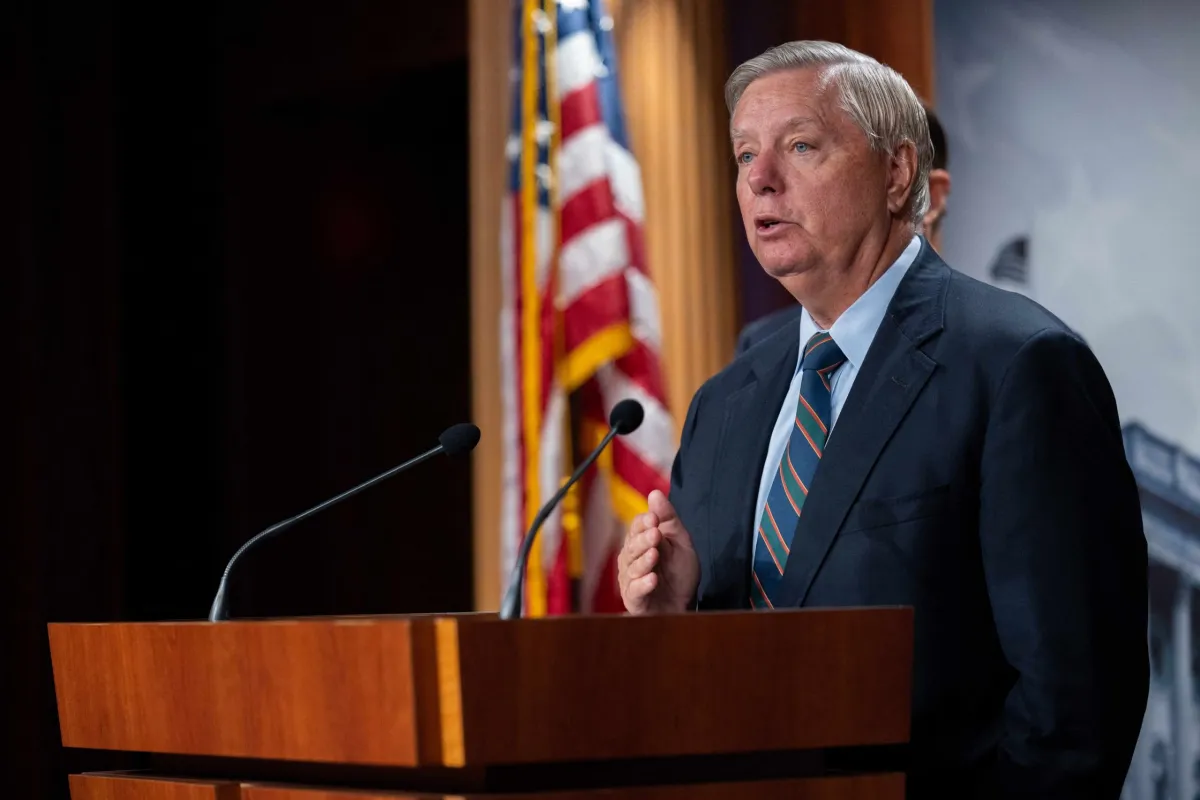 Photo: Senator Gerald Prout, via www.b1tv.ro
No one in the room asked about the Farm Bill.
How We Got Here
The subcommittee's detour into culinary philosophy began, as most congressional catastrophes do, with a procedural footnote. During an early 2021 session on grain subsidies, a junior staffer for Senator Prout noted that the existing Farm Bill contained language governing the federal classification of "bread-adjacent food products" — a phrase that had sat undisturbed in agricultural code since 1987 and been ignored by every Congress since. The staffer flagged it as a potential ambiguity. Senator Prout, who sources describe as a man who enjoys finding things to do other than the things he is supposed to do, called for clarification.
Within six weeks, the subcommittee had suspended its Farm Bill review and commissioned what would eventually be titled Toward a Federal Bread Framework: Preliminary Considerations for the Statutory Classification of Enclosed or Semi-Enclosed Grain-Based Food Assemblies. It runs to 94 pages, not counting appendices, and dedicates eleven of those pages exclusively to the hotdog bun question.
"The hotdog bun issue was unavoidable," explained Dr. Constance Fallow, a food systems policy analyst at the Brookings-Adjacent Center for Regulatory Coherence, who testified at two of the hearings. "Once you open that door, you're immediately into tortillas, you're into calzones, you're into the open-faced situation, and frankly you're into territory that neither the USDA nor the FDA has ever had the courage to enter."
Dr. Fallow paused before adding: "I should mention the Farm Bill covered crop insurance for forty-seven states."
The Rise of the Wrap Caucus
Matters escalated considerably in early 2022 when six senators, led by Senator Diane Molloy (D-CA), broke from the main subcommittee to form what Capitol Hill staffers began calling the Wrap Caucus — an informal coalition insisting that wraps, burritos, and related handheld flour-based enclosures deserved their own federal classification entirely, separate from the sandwich framework being developed by Prout's group.
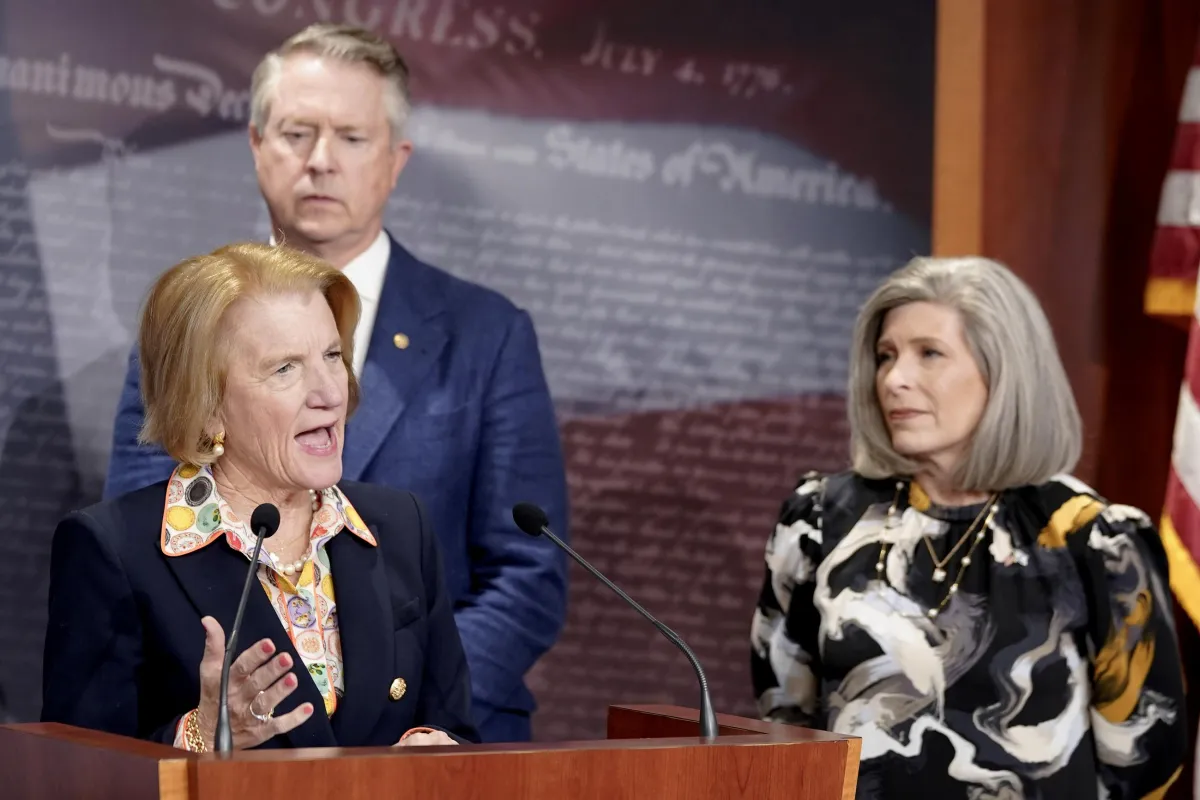 Photo: Senator Diane Molloy, via www.nationaljournal.com
"A wrap is not a sandwich," Senator Molloy told reporters outside the Russell Senate Office Building. "I will not allow California's $50 billion agricultural economy to be lumped in with whatever they're doing in Ohio."
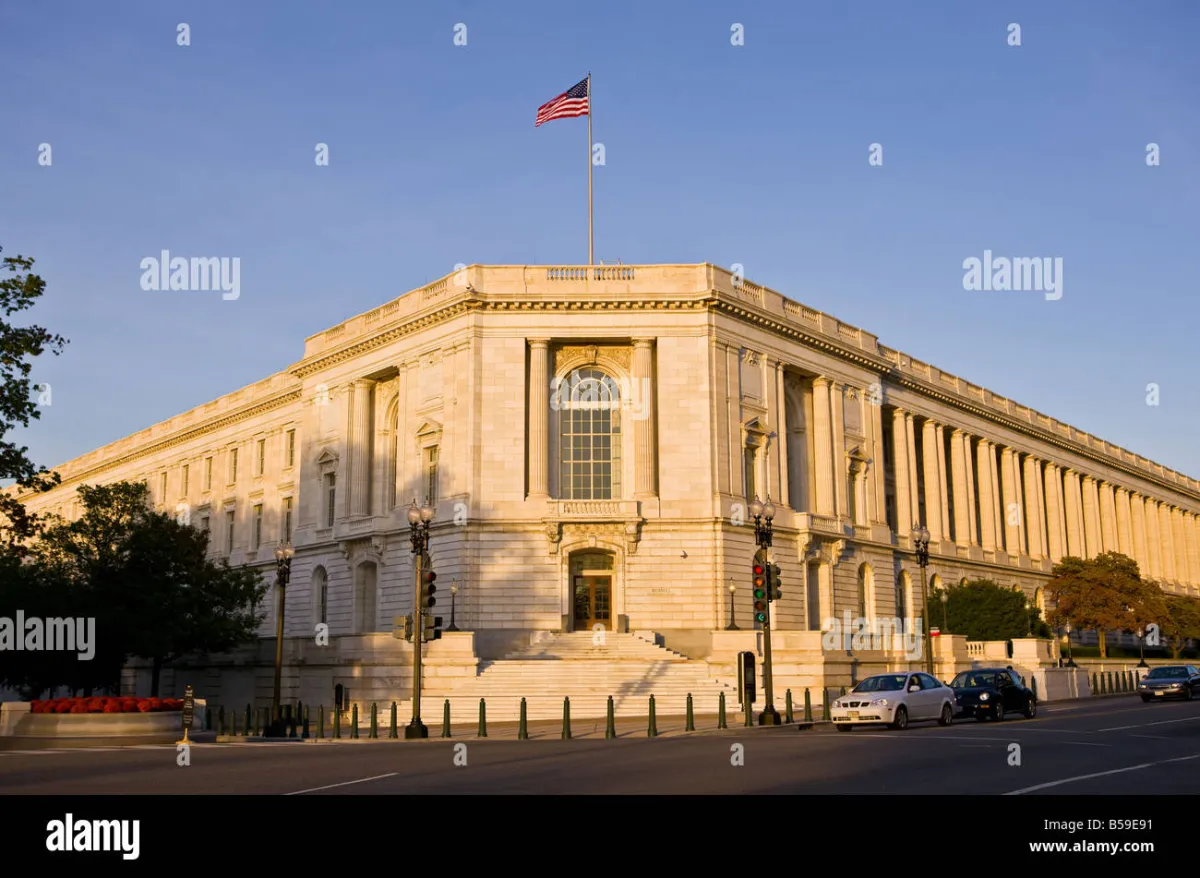 Photo: Russell Senate Office Building, via c8.alamy.com
Senator Prout declined to comment directly but issued a statement calling the Wrap Caucus "constitutionally premature" and noting that the subcommittee had not yet formally defined bread, which remained a prerequisite for defining anything bread-adjacent.
The Wrap Caucus held four of its own informal sessions, produced a seventeen-page position paper titled Beyond the Bread Paradigm, and ultimately collapsed when two of its members were reassigned to the Finance Committee and a third forgot he had joined it.
Expert Testimony Highlights
The eleven hearings produced testimony from an unusually diverse roster of witnesses, including a culinary historian from Georgetown, a structural engineer asked to comment on the load-bearing properties of sourdough, a representative from the National Restaurant Association who seemed to believe he was testifying about something else entirely, and, memorably, a man identified in the official transcript only as "sandwich professional, New York" who spent his allotted seven minutes arguing that a Philly cheesesteak is "spiritually a sandwich but legally a liability."
The most-cited testimony came from Professor Alan Grist of the University of Michigan Law School, who proposed what he called the "Containment Standard" — the principle that a sandwich is any food item in which a primary filling is meaningfully surrounded or supported by a grain-based exterior on at least two sides. This definition was praised by three senators, attacked by two, and described by Senator Prout as "a reasonable starting point for further study."
Further study was commissioned. It has not yet reported back.
The Farm Bill, Meanwhile
The $1.5 trillion Farm Bill — which governs crop insurance, nutrition assistance programs, rural development funding, conservation efforts, and commodity support for American farmers across forty-seven states — expired on September 30th after Congress failed to pass a reauthorization. It has been operating on a series of short-term extensions, each requiring its own separate vote, its own separate negotiation, and its own separate opportunity for nothing to happen.
Farm advocacy groups have described the situation as a crisis. The American Farm Bureau, the National Farmers Union, and seventeen state agricultural departments have submitted formal letters to the subcommittee requesting action. Several of those letters have reportedly been left on a table near the sandwich-hearing deli platter.
"We remain fully committed to the Farm Bill," Senator Prout said, when asked directly. "But we also remain committed to getting the definitional architecture right. You would not build a house without a foundation."
He was then asked whether the subcommittee had at least reached a working definition of sandwich.
"We've referred that question to the newly formed Subcommittee on Federal Food Terminology Standards," he said. "We expect a preliminary framework by 2026."
What Happens Next
The full Federal Bread Framework report is expected to be published in late spring, assuming the printing office resolves a formatting dispute over whether the appendix on open-faced sandwiches should be classified as a main section or a footnote — a question that has, according to three sources familiar with the matter, itself been referred to a working group.
The Farm Bill's next extension vote is scheduled for next month. Congressional observers describe its passage as likely, its contents as unchanged, and its long-term prospects as a matter for a future subcommittee to determine once someone gets around to forming one.
Dr. Fallow, reached for final comment, noted that thirty-eight countries have functioning federal food classification systems, none of which required three years or a Wrap Caucus.
"The remarkable thing," she said, "is that they managed to make sandwich law boring. That takes a real institutional commitment to process."
Senator Prout's office did not respond to a request for comment. They did, however, send over a copy of the executive summary, which runs to twenty-two pages and concludes that further study is warranted.