State Department's $28 Million Digital Diplomacy Push Derailed by Fourteen Bounced Emails and One Unsubscribe Request

State Department's $28 Million Digital Diplomacy Push Derailed by Fourteen Bounced Emails and One Unsubscribe Request
WASHINGTON — The State Department announced this week the full rollout of its Digital Diplomatic Engagement Initiative, a $28 million modernization program designed to bring American foreign policy communication into the twenty-first century through the strategic use of email. The program, two years in development and described by senior officials as "transformative," has so far produced twenty-three outgoing messages, fourteen delivery failure notifications, two automated vacation responses, and one formal unsubscribe request from a nation that American officials declined to name but described as "a valued partner in the region."
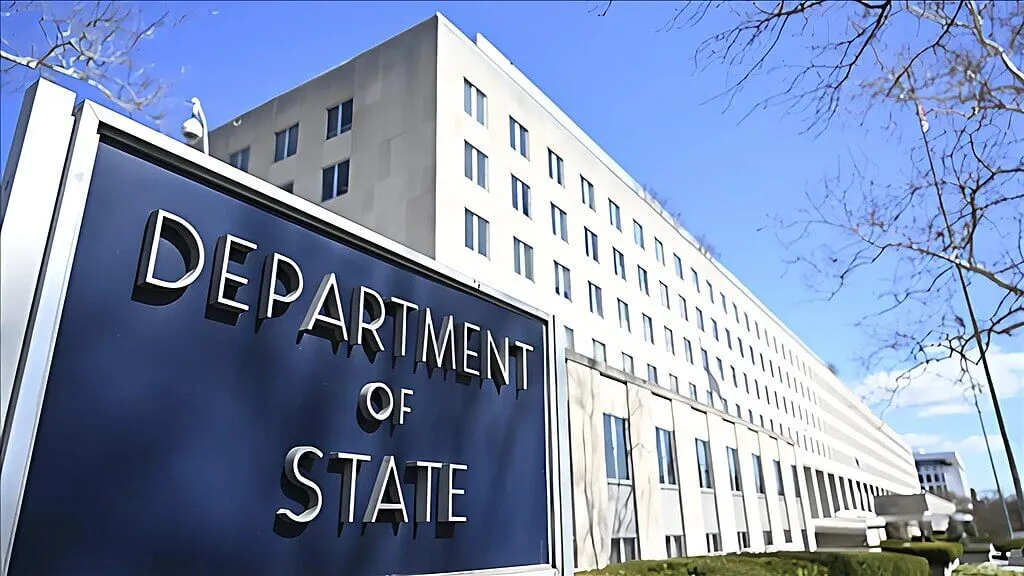 Photo: State Department, via www.stimson.org
"This represents an unprecedented expansion of America's digital diplomatic reach," said a senior State Department official, speaking on condition of anonymity because, as they explained, "we haven't figured out the branding yet."
The official did not address the bounce rate.
The Vision
The Digital Diplomatic Engagement Initiative — internally referred to as DDEI, pronounced, according to one staffer, "however you want, we've given up" — was conceived in 2022 as part of a broader effort to modernize State Department communications following an internal review that found the department was still routing certain diplomatic cables through a fax infrastructure partially installed during the Clinton administration.
The review recommended a suite of digital upgrades. What emerged from the budget process was a $28 million email program.
According to the program's prospectus, which runs to 140 pages and includes a seventeen-page section on font selection, DDEI would allow American diplomats to send "direct, high-impact digital communications" to foreign governments, bypassing traditional diplomatic channels in favor of what the document calls "agile, inbox-first engagement."
The prospectus does not contain an assessment of which target nations have functioning internet infrastructure. A supplementary annex, added six months after the main document was completed, notes that this question "warrants further review."
Connectivity: A Complication
Of the forty-one nations initially targeted by DDEI's first outreach phase, a State Department internal audit — obtained by Officially Absurd through a Freedom of Information request that took longer to process than the program took to fail — found that eleven have internet penetration rates below 15 percent. Seven are currently experiencing active conflicts that have disrupted telecommunications infrastructure. Three have governments that operate their official communications through platforms security analysts describe as "legacy," including one that continues to maintain an active AOL account registered in 2003.
"We were aware of the connectivity landscape," the senior official said, when presented with these figures. "That's precisely why this initiative is so bold. You have to meet the challenge head-on."
They were asked how one meets the challenge of a country without internet by sending it an email.
"Aspirationally," the official said, after a pause.
The Responses So Far
Of the twenty-three emails sent in the initiative's first operational phase, fourteen generated automatic delivery failure notifications. The State Department's digital communications team has logged these as "pending engagement opportunities."
Two emails were answered. The first, sent to a mid-level foreign ministry in Southeast Asia, received an out-of-office reply explaining that the relevant official was attending a regional trade conference and would return the following Tuesday. A follow-up email sent the following Wednesday has not received a response. The second, sent to a foreign ministry in West Africa, received an out-of-office reply in French, which the State Department's DDEI team has submitted for translation. Results are expected within three to five business weeks.
The unsubscribe request — the most discussed outcome internally, according to two department sources — was received from a foreign government that had apparently been added to the DDEI mailing list without prior diplomatic contact. The request was submitted through an automated unsubscribe link embedded in the email footer, which State Department IT staff confirmed they had not realized was active.
"We are treating that as a form of engagement," the official said. "They clicked something. That's a touchpoint."
Expert Reaction
The foreign policy research community has responded to DDEI with what one analyst called "a very specific kind of exhaustion."
"In terms of ambition-to-outcome ratio, this is possibly the most impressive misdirected communication effort since the State Department's 2009 fax modernization initiative, which modernized the fax machines of eleven embassies that had already stopped using fax machines," said Dr. Patricia Wren, a senior fellow at the Center for Strategic and International Communications Studies, a think tank that, to its credit, at least has internet.
 Photo: Center for Strategic and International Communications Studies, via jaringkerja.com
Dr. Wren noted that the $28 million allocated to DDEI would have funded approximately forty additional foreign service officers, or alternatively, a robust program of in-person diplomatic engagement in the nations now receiving undeliverable emails.
"There's a version of digital diplomacy that works," she added. "This is a version that works as a case study in a graduate seminar about what not to do."
The Heritage Foundation issued a statement calling the initiative "wasteful." The Brookings Institution issued a statement calling it "concerning." A think tank called the Digital Futures Governance Collaborative, whose funding sources are not publicly disclosed, issued a statement calling it "a pioneering framework for next-generation diplomatic architecture" and requested a meeting with the program's budget office.
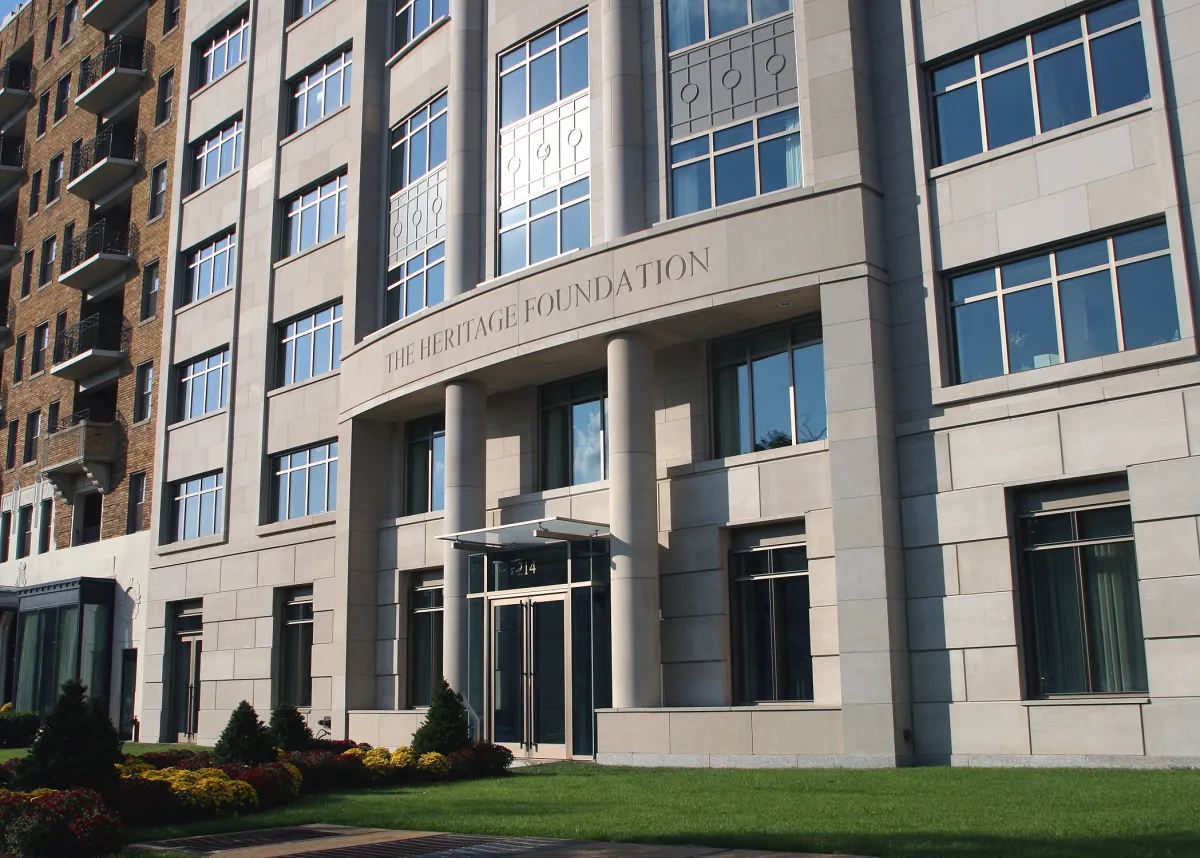 Photo: Heritage Foundation, via secured.heritage.org
The $28 Million Breakdown
A line-item breakdown of DDEI's budget, released following congressional pressure, reveals that of the $28 million allocated, approximately $14.3 million has been spent on platform development — the creation of a custom diplomatic email system that, according to department sources, functions identically to Gmail but with a State Department seal in the corner. A further $6.1 million went to a consulting firm hired to develop the outreach strategy, which sources say consisted primarily of a spreadsheet of email addresses compiled from publicly available government websites. The remaining $7.6 million covers operational costs, staff training, and what the budget document describes as "ongoing digital presence maintenance," a line item that three staffers were unable to explain when asked.
What Comes Next
The State Department has confirmed that Phase Two of DDEI will launch in the fall, targeting an additional sixty nations. When asked whether the department planned to first verify that those nations had functional email infrastructure, the senior official said the team was "exploring supplementary communication modalities" as a backup.
Those modalities, it emerged, include printed letters.
The department declined to confirm whether those letters would be sent by fax.